Table of Contents
Uganda is a treasure chest of culture, craftsmanship, and flavor. Whether you’re exploring Kampala’s bustling markets, visiting the craft villages of Entebbe, or venturing to the Rwenzori foothills, you’ll find souvenirs that carry stories—made by hands that honor tradition and innovation alike. This guide helps you choose wisely: seven must‑have items to bring home and three to skip (or approach with caution), plus practical tips on packing, pricing, and authenticity.

7 Must‑Have Ugandan Souvenirs
Handcrafted Baskets & Woven Home Décor
Ugandan basketry is iconic—think bold sunburst patterns, natural dyes, and incredibly tight weave quality that lasts for years. These baskets are more than just decorative pieces; they represent centuries of tradition and the artistry of rural communities. You’ll find raffia bowls, lidded baskets, placemats, and table runners, all meticulously crafted by women’s cooperatives across the country. Each piece tells a story of sustainability, as artisans use locally sourced fibers like raffia, banana leaves, and papyrus.
Why buy:
- Beautiful, functional, and eco-friendly.
- Directly supports artisan groups and community development projects.
- Adds a touch of African elegance to any home décor.
How to spot quality:
- Even, tight stitching with no loose ends.
- Clean inside finish and smooth edges.
- Natural smell (not chemical) and colorfast dyes that won’t bleed.
- Look for co-op tags or artisan signatures for authenticity.
Where to find:
- Buganda Road Craft Market in Kampala for variety and fair pricing.
- Entebbe Craft Village for curated, high-quality pieces.
- Jinja’s Main Street craft stalls, often with artisans weaving on-site.
Pro tip:
Nest smaller baskets inside larger ones for easy packing, and ask the vendor about the meaning behind the patterns—they often symbolize cultural values like unity, prosperity, or nature.
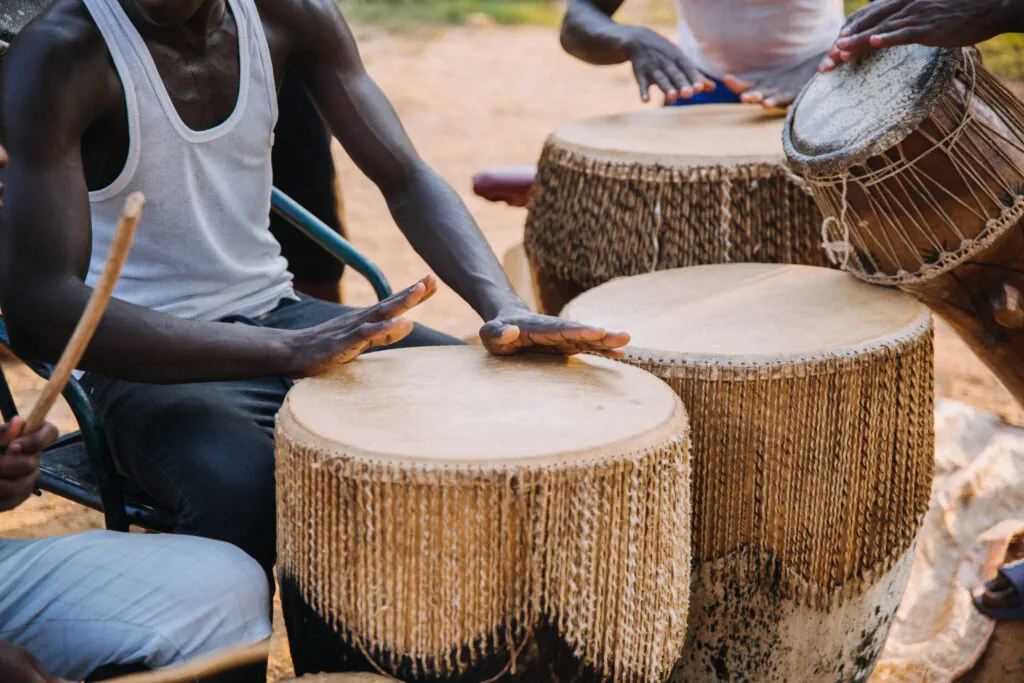
Traditional Musical Instruments (Drums, Adungu, Xylophones, Flutes)
Music is the heartbeat of Ugandan culture, and its traditional instruments are more than just souvenirs—they’re living symbols of heritage. Drums, crafted from cowhide stretched over hollowed hardwood, are central to ceremonies, storytelling, and dance. Their deep, resonant tones have marked celebrations for centuries.
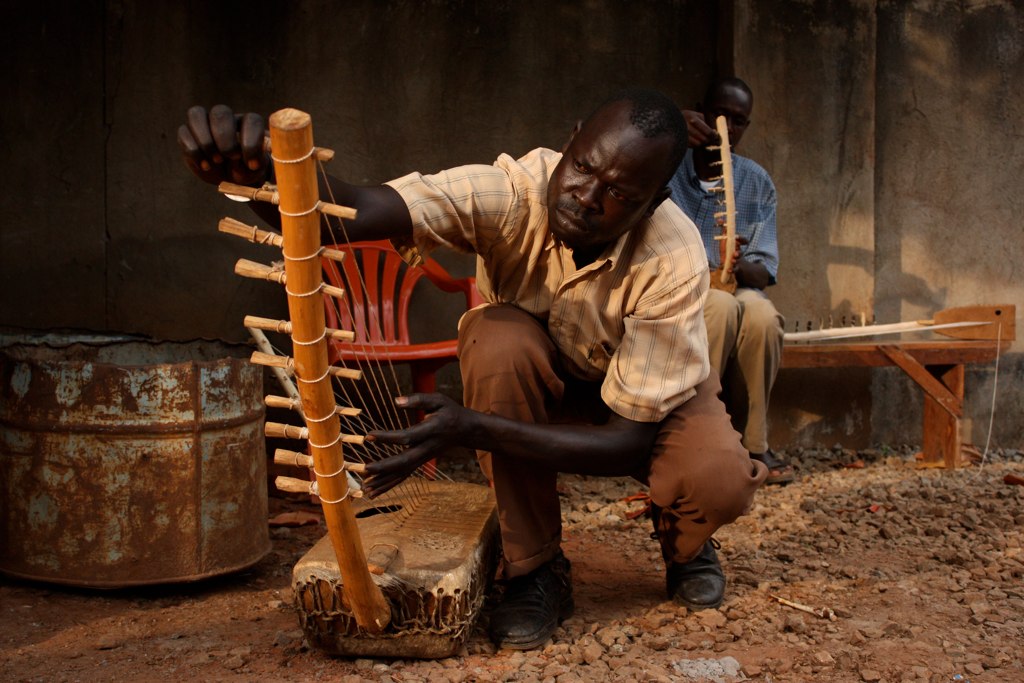
The adungu, a curved harp unique to Uganda, produces warm, layered melodies that evoke the rhythms of village life. Its elegant wooden frame and hand-tied strings make it both a musical treasure and a striking decorative piece. You’ll also find akadinda xylophones, carved from local hardwood and tuned to perfection, and endere flutes, which deliver soft, soothing notes ideal for collectors or anyone who loves authentic sound.
Why buy:
- These instruments carry cultural significance and make perfect conversation pieces.
- They’re functional art—playable and visually stunning.
What to look for:
- Drums: Tight, evenly stretched skins; solid wood frame without cracks.
- Adungu: Smooth finish, secure stringing, and a sturdy bridge.
- Xylophones and flutes: Well-polished wood and clear tonal quality.
Packing tip:
- Wrap drum skins in soft clothing to prevent scratches.
- Protect bridges and delicate parts with cardboard or bubble wrap.
Pro tip: If you’re musically inclined, ask the artisan for a quick demo—they’ll often tune the instrument for you and share its cultural story.

Ugandan Coffee & Tea (Single Origin, Small‑Batch)
Uganda’s highlands are a paradise for coffee lovers. The slopes of Mount Elgon and the Rwenzori Mountains nurture Arabica beans with fruity, wine-like notes, while the central plains produce robust Robusta with a deep, earthy flavor. These beans are grown under shade, handpicked, and sun-dried—methods that preserve their natural character.
Specialty roasters now offer traceable, single-origin beans, meaning you can know the exact farm and farmer behind your cup. This transparency ensures ethical sourcing and fair trade practices, making your purchase more than just coffee—it’s a story of sustainability and community empowerment.
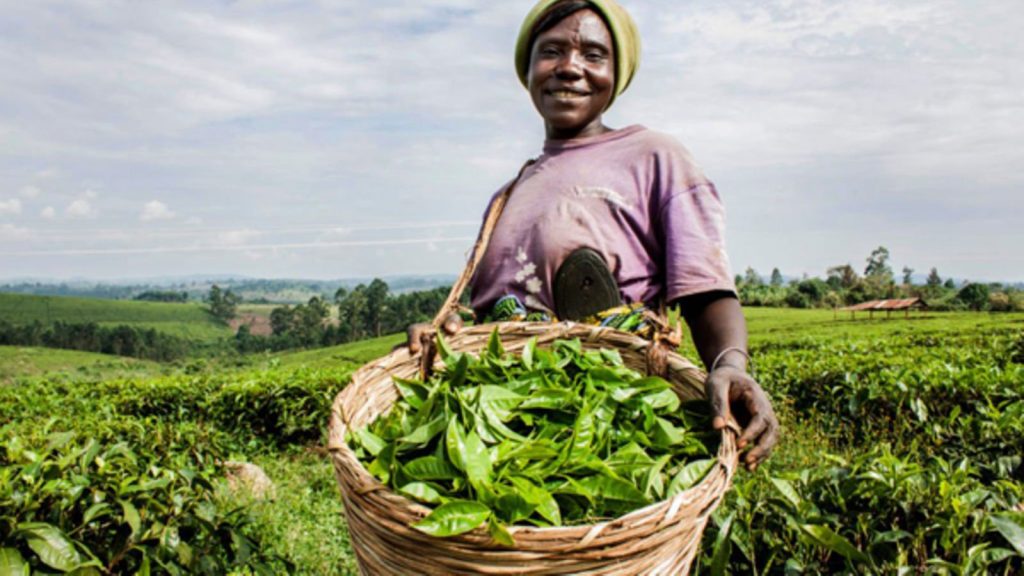
Uganda is also a tea-growing nation. Its black teas are bold and malty, perfect for chai blends, while green teas from small estates offer delicate, grassy notes. Many shops sell spiced tea blends infused with cardamom, cinnamon, and ginger for an authentic Ugandan brew experience.
Why buy:
- Outstanding flavor and quality; supports local farmers.
- Ethical sourcing options with a strong sustainability focus.
What to look for:
- Roast date (freshness matters).
- Origin details and cupping notes for flavor profiles.
- Whole beans for longer shelf life; loose-leaf teas in airtight tins.
Pro tip: Pair your coffee or tea with a hand-carved wooden scoop or a local clay mug for a complete gift set.
Organic Vanilla, Spices & Groundnut Paste (Ebinyebwa)
- Ugandan vanilla pods have intense aroma and are a top-tier baking ingredient. Spice blends and groundnut paste are staples in local kitchens.
- Quality checks: Vanilla pods should be soft and oily; spices whole; groundnut paste minimal additives.

Ankole Horn & Ethically‑Sourced Horn Crafts
- Beautifully polished Ankole cattle horn is crafted into bowls, hair combs, and jewelry.
- Ethical considerations: Ensure horn is sourced from local cattle as a byproduct.
- Care: Hand wash; avoid hot water; condition occasionally.
Bark Cloth & Contemporary Ugandan Fashion
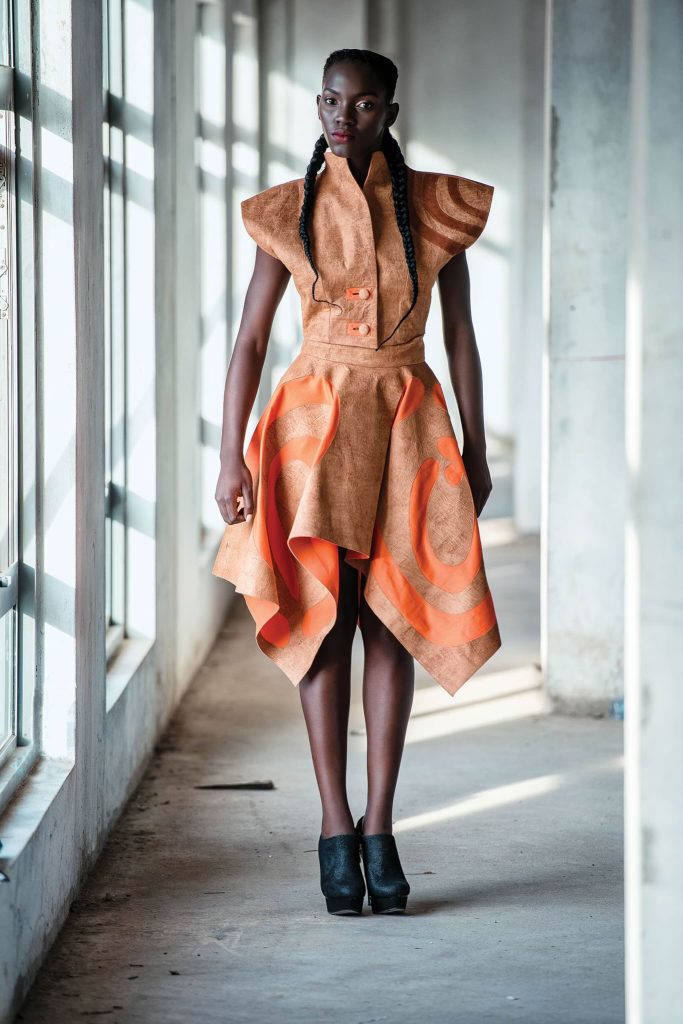
- Bark cloth is one of Uganda’s is one of Uganda’s oldest textiles—soft, earthy, and deeply symbolic. Traditionally made from the inner bark of the mutuba tree, it was once worn by royalty and used in cultural ceremonies. Today, this heritage fabric is experiencing a revival, as designers blend bark cloth with cotton or linen to create elegant, modern pieces like jackets, handbags, and home décor accents.
The process of making bark cloth is entirely natural: artisans harvest the bark, boil it, and pound it until it becomes a supple, felt-like material. Its warm, rust-brown tones and organic texture make it a favorite for eco-conscious buyers and collectors of authentic African crafts.
Why buy:
- A piece of living history and sustainable fashion.
- Unique texture and color that adds character to any wardrobe or interior.
Quality cues:
- Even thickness and smooth finish without cracks or holes.
- Strong stitching and neat hems on garments or accessories.
- Ask about the artisan or designer—many pieces come with a story.
Packing tip:
- Roll, don’t fold bark cloth to reduce creasing.
- Keep it dry and away from sharp objects to avoid tearing.
Pro tip: Pair bark cloth with vibrant kitenge prints for a striking fusion of tradition and modern style.
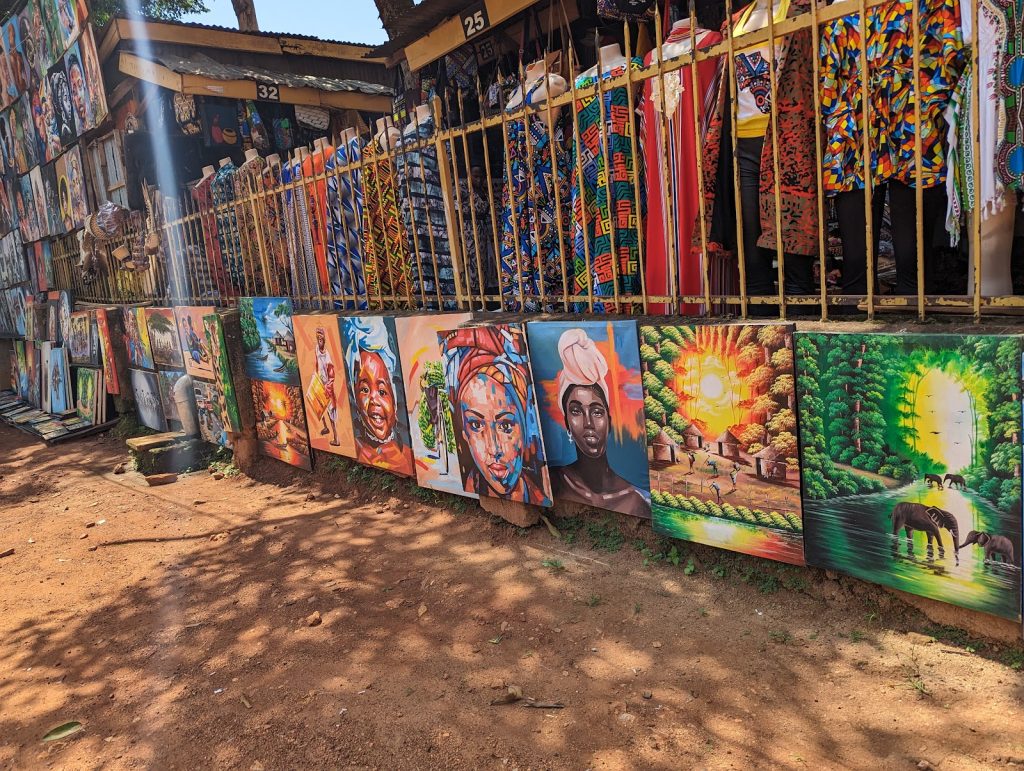
Wood Carvings, Beadwork & Fine Art Prints
Uganda’s visual arts scene is vibrant and full of character. From hand-carved wooden animals, tribal mask motifs, and abstract sculptures to beaded jewelry and studio art prints, these pieces reflect the country’s rich cultural heritage and modern creativity. Each item is a testament to the artisan’s skill and often carries symbolic meaning—wildlife carvings celebrate Uganda’s natural beauty, while masks and abstract forms represent traditional beliefs and storytelling.
Why buy:
- Unique, one-of-a-kind pieces that add personality to your home or wardrobe.
- Supports local artists and preserves traditional craftsmanship.
How to choose:
- Prefer hardwood carvings with smooth finishing and stable bases.
- Check jewelry for strong threading or wire and secure clasps.
- For prints, ask for acid-free paper and store flat in a protective sleeve.
Where to shop:
- Art galleries in Kampala for curated collections and contemporary pieces.
- Community studios and craft markets for authentic, handmade works at fair prices.
- Look for artist signatures or co-op tags for authenticity.
Pro tip:
If you have time, visit an artisan workshop—you’ll often see the creative process firsthand and can commission a custom piece.
3 Souvenirs to Skip (or Buy Carefully)
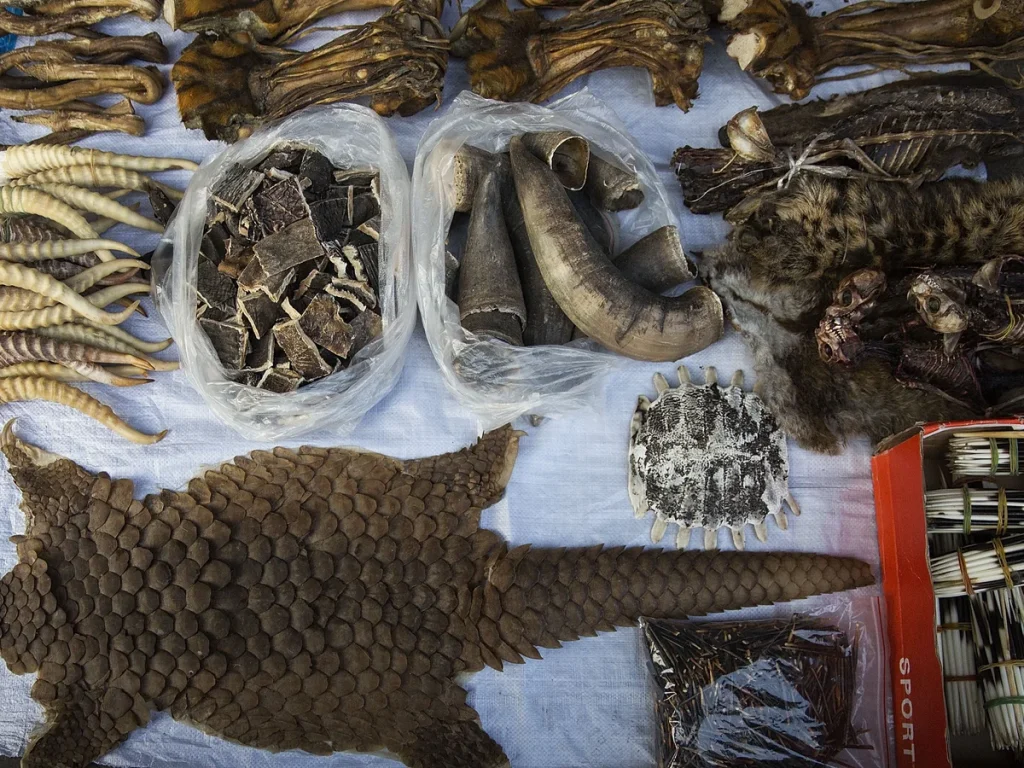
Wildlife Products & Anything of Unclear Origin
It might be tempting to buy souvenirs made from exotic materials, but items crafted from wildlife parts—such as ivory, reptile skins, or protected bird feathers—are not only unethical but also illegal in many countries. These products contribute to poaching and biodiversity loss, and carrying them across borders can lead to hefty fines or confiscation at customs.
Why avoid:
- Violates conservation laws and international treaties.
- Fuels harmful practices that threaten Uganda’s rich wildlife heritage.
- Risk of legal trouble and loss of purchased items during travel.
Better alternative:
Choose souvenirs that celebrate Uganda’s culture without harming its environment. Opt for ethically-sourced Ankole horn (a byproduct of domestic cattle), hand-carved wooden crafts, clay pottery, or textile art like bark cloth and kitenge. These alternatives are sustainable, culturally significant, and safe to transport.
Pro tip:
Always ask vendors about the origin of materials. Responsible artisans are transparent and proud of their ethical sourcing practices.
Cheap Counterfeits & Mass‑Produced Trinkets
- Beware stalls selling identical items labeled handmade at low prices.
- Better alternative: Buy fewer items of higher quality.
Bulky, Fragile, or Difficult‑to‑Clear Items
- Large wooden masks or heavy sculptures can be costly to ship and prone to damage.
Better alternative: Choose medium-sized or flat-pack déco
Please also check our post on gorilla trekking in Uganda in case you missed our previous post: https://etukosafaris.com/gorilla-trekking-guide-bwindi-uganda-etuko/